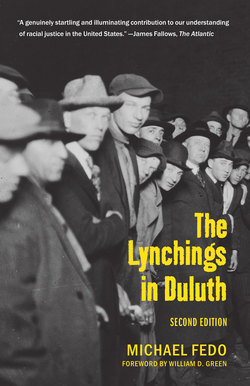
On the evening of June 15, 1920, in Duluth, Minnesota, three young black men, accused of the rape of a white woman, were pulled from their jail cells and lynched by a mob numbering in the thousands. Yet for years the incident was nearly forgotten. This updated, second edition of The Lynchings in Duluth includes a new preface by the author, additional research and notes, and suggestions for further reading.<br /><br />"This account of racial violence in the early twentieth century is a genuinely startling and illuminating contribution to our understanding of racial justice in the United States in the twenty-first. Many Americans have found it convenient to think that episodes like this come only from the Jim Crow–era Deep South. The Lynchings in Duluth is a powerful reminder of the broader American pattern." —James Fallows, The Atlantic<br /><br />?"A chilling reconstruction of a 1920 racial tragedy. . . . Combining hour-by-hour, day-by-day narrative with expert scholarship based on interviews, suppressed documents and news reports, Fedo skillfully portrays Northern prejudice and violence." —Los Angeles Times<br /><br />?"This tense book punches out a story of devastating fury. . . . As pointed as a Klansman's cap, this book conveys the horror of mob action—and the disturbing truth that it knows no region." —Milwaukee Journal
Оглавление
MIchael Fedo. The Lynchings in Duluth
The Lynchings in Duluth. SECOND EDITION
Foreword
Duluth, Minnesota. June 15, 1920
Preface to the Second Edition
Addenda from the Original Preface (1979)
1
2
3
4
5
6
7
8
9
10
11
12
13
14
15
16
17
18
19
20
21
22
23
24
25
26
Epilogue
Questioning of Irene Tusken by a private investigator
Transcription of Questioning of Albert W. Tracy, reporter for the Duluth Herald
Suggestions for Further Reading
Отрывок из книги
MICHAEL FEDO
With a Foreword by
.....
There, nineteen-year-old Elmer Jackson rolled the hot dice. Joyfully, he spun out sevens and elevens, quickly taking a day’s wages from other workers. Their laughter and profane exhortations to the dice could be faintly heard above the blowing calliopes, if one listened carefully. Apparently no one did. It was, after all, only the circus Negroes whooping it up.
One can only speculate what ran through the minds of the girl and boy that night. There were those who said Irene was loose; Jimmy was reportedly fast. Some would insinuate that indiscreet lust prevailed there in the damp softness of the fields away from the crowds, where no one could see, and the heat of passion would have warded off the nighttime chill.