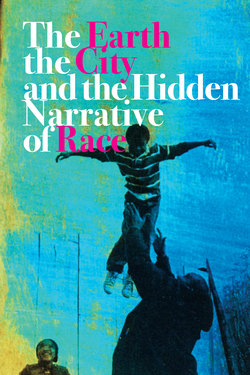
Читать книгу The Earth, the City, and the Hidden Narrative of Race - Carl C. Anthony - Страница 7
На сайте Литреса книга снята с продажи.
ОглавлениеContents
Foreword by Van Jones
Foreword by Paloma Pavel
Introduction
Origins
Inside the Universe
PART ONE My Life and Work
CHAPTER 1
Growing Up in a Dying City
Getting By in the City
Our New Neighborhood
Attending an Integrated Elementary School
My Passion for City Planning
Walking in the City
Driving While Black
Navigating Wonder and Shadow
Shame
Losing Hope
Attending Dobbins Vocational School
Leaving Home
First Exposure to the Segregated South
CHAPTER 2
Finding Mentors
Learning to Recognize Resources with Karl Linn
A New Appreciation of the Natural World
Building Neighborhood Commons
A Social Agenda in Architecture
Discovering James Baldwin
Encountering Lewis Mumford
My Passion for Architectural History Ignited
Coming of Age in a Segregated City
CHAPTER 3
Moving to New York
Gaining a Sense of Place
Joining the Civil Rights Movement
The Message of Malcolm X
Corresponding with James Baldwin
Baldwin’s Letter to His Nephew
My Involvement in Civil Rights Struggles
Cultural and Political Inspirations
Michaux’s Bookstore
Learning about Ancient African History
Family Changes
Meeting Jean
Joining the Community Design Movement
Creating a Neighborhood Commons in Harlem
Partnering with Jean
Civil Rights in the News
Poised on the Racial Divide
CHAPTER 4
Columbia Architecture School
Professors and Curriculum
From the Studio to the Streets
Experimental Professional Projects
My Experience at Columbia: A Mixed Bag
Political Leadership in Architecture
Wrapping Up at Columbia
Growing Interest in African Settlements
After Graduation and Next Steps
CHAPTER 5
Journey to West Africa
Starting the Journey
A Beginner’s Mind
Our Itinerary
Community Participation in Building
Cities of the Middle Niger
A Dogon Village
Anthropomorphic Layout of Dogon Buildings
The Rainy Season in West Africa
Insights about African Architecture and Human Settlements
Reflections on Our African Travels
Return to the States
CHAPTER 6
Unearthing the Hidden Narrative of Race
The Place of Africans in Architectural History
Looking Back at Slavery in America
The Plantation as Precursor to Industrialization
African Contributions to American Architecture
Social Dimensions of Plantation Architecture
CHAPTER 7
Teaching, Research and Professional Practice
Moving to Berkeley
Teaching at UC Berkeley College of Environmental Design
Tracking Innovations in Architecture and Planning
Family Matters
Hosting James Baldwin for a Month
Attempting to Introduce New Course Material
Professional Practice
The West Berkeley Redevelopment Project
Deindustrialization and Plant Closure Conversions
Collaborating with Architect Randall Fleming
CHAPTER 8
Crisis and Turning Point
Planning the Berkeley Waterfront Redesign
Fragmentation of the African American Community
A Crisis in My Career
My Moment of Truth
Places for Peace
PART TWO Finding a New Story
CHAPTER 9
A New Beginning
Connecting with the Environmental Movement
Inspired by the Universe Story
Telling the Story of African Americans
CHAPTER 10
Deep Time, Slavery, and the Making of the Modern Economic System
Human History Begins in Africa
Ancient and Medieval African Cultures
Deconstructing Europe’s Rise to Dominance
The Columbian Exchange and the Global Economy
Cities Shaped by the Atlantic Slave Trade
Slavery and the Modern Economic System
CHAPTER 11
The Landscape of Freedom
Abolition
Emancipation
The Hope of Reconstruction
New Methods of Forced Labor
The Black Agrarian Movement
African American Struggle for Economic Rights
The Great Migration
CHAPTER 12
The City at a Crossroads
The Racialization of Space
Suburban Sprawl and Inner-City Abandonment
The Kerner Commission Report
A Demographic Shift
The Sustainability Revolution
A New Vision for the City
CHAPTER 13
Forging A New Alliance Between the Environmentalists and Social Justice Activists
Joining Earth Island Institute
Positioning People of Color in the Environmental Movement
Creating the Urban Habitat Program
Appointment to the Berkeley Planning Commission
Protecting Jobs and the Environment in West Berkeley
The Environmental Justice Movement
The Race, Poverty, and the Environment Journal
Reaching Out to People-of-Color Communities
Understanding the Metropolitan Region
Transportation Justice
Military Base Conversions
Urban Habitat Leadership Institute
Revisiting Academia
Leaving Earth Island Institute
Forming the Social Equity Caucus
Leaving the Urban Habitat Program
A New Opportunity for Collaboration
Next Steps for the Urban Habitat Program
CHAPTER 14
Laying the Groundwork for a National Movement
Recruited by the Ford Foundation
Back to New York
Ford Foundation’s Change of Direction
The Need for a Smart and Equitable Regional Perspective
A Culture of Collaboration at the Ford Foundation
Grantmaking for the Sustainable Metropolitan Communities Initiative
Philanthropic Organizations
Regional Equity Advocates
African Americans and Other Communities of Color
Regional Equity Demonstration Projects
Community Organizing Groups
Community Development Corporations (CDCs)
Organized Labor
Farm and School Alliance
Cities Facing Abandonment
Solidifying the Movement: Communications and the Learning Community
Urbanization as a Global Trend
Global Climate Change Comes Home
CHAPTER 15
Planning Healthy and Just Communities for All in the Age of Global Warming
Starting Breakthrough Communities
Next Steps
Organizing for Climate Justice in California
Political Opportunity, Mobilizing Structures, and Framing the Issues
Designing Healthy and Just Communities: The Six Wins for Social Equity Campaign
Ending Suburban Poverty
Community Resilience and Adaptation to Climate Change
The Power of Cultural Work
Inspiring the Black Community
Concluding Thoughts
CONCLUSION
Discovering New Foundations for the Great Work of Our Time
Notes
References
Additional Resources
Acknowledgments
Index