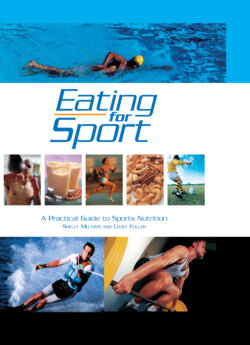
Читать книгу Eating for Sport - Shelly Meltzer - Страница 6
На сайте Литреса книга снята с продажи.
Оглавлениеcontents
Part 1
Nutrition basics and nutritional needs
Introduction
Myths, facts and science
Measurements
Sizing it up
1 From food to fuel
Contribution of nutrition to performance
The supply of energy
Protein
Plate model
Vitamins and minerals and their effect on energy
The conversion of food to fuel
How fuels are used (the four energy systems)
Manipulating the fuel mix: how to become a better fat burner
2 Ages and stages
Ageing
Children and young athletes
Questions parents ask
Pregnancy and lactation
Master athletes
3 Making a plan
The science and art of eating
Meal planning
Shopping
Cooking and food preparation
Eat-outs and take-outs
Competition nutrition
Travel
4 Fluid and hydration
The importance of fluid to performance
Type of sport and other factors that affect hydration
The role of fluid in the body
General fluid guideline and tips
The ideal drink
Alcohol and tippling tips
5 Disordered eating in sport
Harmful eating behaviours
Causes and trigger factors
Screening tools
The female athlete triad
Managing disordered eating
Sports anaemia
‘Bigorexia’
6 Special needs
Vegetarian athletes
Gut problems
Diabetes mellitus
Athletes with disabilities
Chronic fatigue
7 Dietary supplements
Ergogenic, or performance-enhancing aids
Evaluation of popular supplements
Evaluating products and claims
Additional tips and recommendations
Part 2
Sport-specific nutrition
Each section outlines the physical demands and characteristics of a group of sports with common nutritional issues. Case studies highlight common problems and how they can be solved.
8 Weight-making sports
Boxing (professional and amateur), Horse Racing, Judo, Karate, Lightweight Rowing, Taekwondo, Weightlifting, Wrestling
Potential harm of rapid weight loss and weight cycling
New rules for safe weight making
9 Aesthetic considerations
Ballet, Figure Skating, Gymnastics, Dressage, Springboard Diving, Surfing, Synchronized Swimming
What is the ideal body fat level?
Methods of fat loss
Fad diets
Diet aids
Core components of effective weight-loss diets
10 Bursts of energy, rapid recovery
Curling, Volleyball, Netball, Basketball, Cricket, Baseball, Hockey, Ice Hockey, Football, Rugby, Badminton, Squash, Racquetball
Low body fat levels and increased muscle mass
11 Power, speed and strength
Athletics (track and field), Skiing (alpine and downhill), Speed Skating, Sprint Swimming, Track Cycling
Training for speed
Energy systems
Muscle fibre type
Supplements
12 Skill, concentration and manoeuvres
Archery, Fencing, Golf, Lawn Bowls, Sailing, Waterskiing
Vision
Concentration
Sources of caffeine
Tips on cutting back
Foods that sustain concentration
Slow or fast energy fix
Focus on eye nutrition
13 Adventure and extreme
Adventure Racing, Biathlon, Triathlon, Canoeing, Cycling, Kayaking, Marathon, Open Water Sailing, Long Distance Open Water Swimming
Endurance
Carbo-loading
Ultra-endurance
Fat-loading
Multistage cycle events (Tour de France)
Altitude
Menu planning
From the memoirs of McCarry
Glossary
Index
Photographic Credits and
Authors’ Acknowledgements